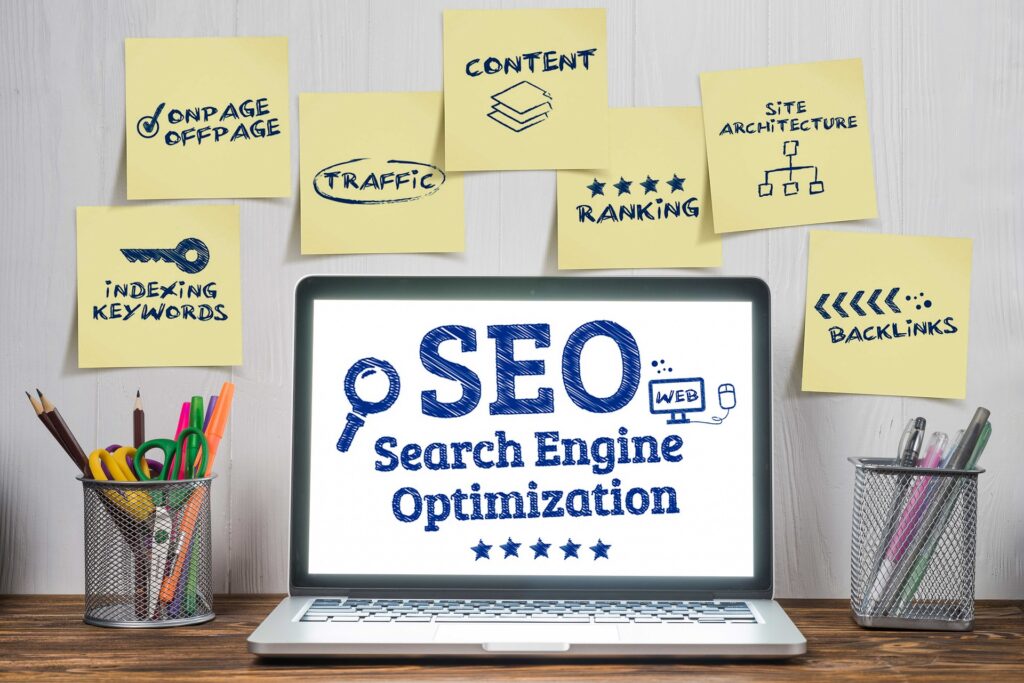
SEO remains the cornerstone of digital visibility. Optimizing your website for search engines ensures that potential customers can find you when they search for relevant keywords.
Focus on user intent: Understand what your audience is searching for and tailor content accordingly.
Use long-tail keywords: These are more specific and often less competitive.
Improve site speed and mobile responsiveness: Google prioritizes fast, mobile-friendly websites.
Build backlinks: Quality backlinks from reputable sites boost your domain authority.
2. Content Marketing
Content is still king—but now it’s about quality, relevance, and personalization.
Create valuable blog posts, videos, and infographics that solve problems or answer questions.
Use storytelling to connect emotionally with your audience.
Repurpose content across platforms to maximize reach.
Social platforms are powerful tools for brand awareness, engagement, and conversion.
Choose the right platforms based on your target audience (e.g., Instagram for lifestyle brands, LinkedIn for B2B).
Post consistently and engage with followers through comments and DMs.
Use reels, stories, and live videos to boost visibility.
Run targeted ads to reach specific demographics.
4. Email Marketing
Email marketing offers one of the highest ROI among digital channels.
Segment your email list to send personalized messages.
Automate campaigns for onboarding, cart abandonment, and re-engagement.
Use compelling subject lines and clear CTAs.
Track open rates and conversions to refine your strategy.
5. Pay-Per-Click (PPC) Advertising
PPC campaigns can deliver instant traffic and conversions when done right.
Use Google Ads and social media ads to target specific keywords and audiences.
A/B test ad creatives and landing pages to optimize performance.
Set clear goals—whether it’s leads, sales, or brand awareness.
Monitor ROI closely to ensure profitability.
6. Influencer Marketing
Partnering with influencers can rapidly expand your reach and credibility.
Choose micro-influencers with engaged audiences in your niche.
Negotiate authentic collaborations like product reviews or giveaways.
Track engagement and conversions from influencer campaigns.
Use affiliate links or discount codes to measure impact.
7. Video Marketing
Video content is dominating digital platforms and driving higher engagement.
Create explainer videos, product demos, and testimonials.
Use YouTube, TikTok, and Instagram Reels to reach wider audiences.
Optimize videos for SEO with proper titles, descriptions, and tags.
Include CTAs to drive traffic and conversions.
8. Conversion Rate Optimization (CRO)
Getting traffic is only half the battle—converting visitors into customers is key.
Simplify your website navigation and checkout process.
Use clear CTAs and trust signals like reviews and guarantees.
Run A/B tests on headlines, images, and buttons.
Analyze user behavior with heatmaps and analytics tools.
9. Local SEO and Listings
If you serve a specific region, local SEO is essential.
Claim and optimize your Google Business Profile.
Encourage customer reviews and respond to them.
Use local keywords and location-based landing pages.
List your business on directories like Yelp and Bing Places.
10. Analytics and Data-Driven Decisions
Success in digital marketing depends on tracking and adapting.
Use tools like Google Analytics, Hotjar, and SEMrush to monitor performance.
Set KPIs for each campaign (e.g., traffic, leads, sales).
Adjust strategies based on data—not assumptions.
Create dashboards to visualize progress and share insights with your team.
Final Thoughts
To grow your online business fast, you need a multi-channel strategy that combines visibility, engagement, and conversion. Start by identifying your target audience, setting clear goals, and choosing the right mix of tactics. Whether it’s SEO, social media, or influencer partnerships, consistency and adaptability are key.